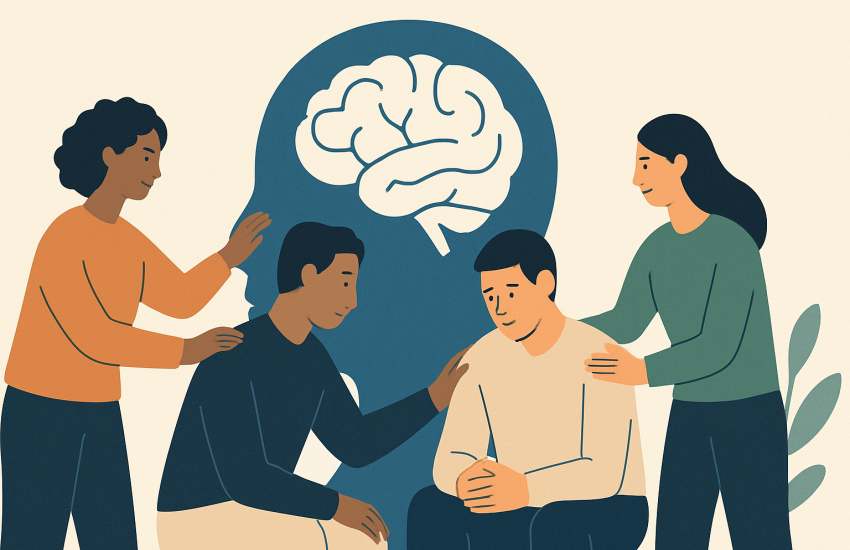
Mental health needs to be cared for by the community.

World Mental Health Day puts employees’ voices at the center
World Mental Health Day falls on October 10, and the 2026 theme is “Lived Experiences Heard: Real Voices, Real Change.” The message is direct. People who have lived with mental-health conditions should help shape the policies, services, and decisions that affect them.
That idea applies inside a 30-person company just as it applies to public health systems. A mental-health policy written entirely by executives, HR staff, or an outside consultant can sound thoughtful and still miss what employees actually need.
Listening is not the same as asking employees to speak
The World Health Organization says lived experience is a form of expertise. Someone who has tried to find care, asked for time off, dealt with stigma, or supported a family member understands barriers that may not appear in a policy document.
That does not mean an employee must disclose a diagnosis. It means we should make room for practical feedback without demanding personal details. Can people find the company’s support information? Do managers know what to say when someone is struggling? Does taking a mental-health day create an awkward explanation process?
Those questions are useful because they focus on the workplace, not on forcing private stories into public view. Trust comes first.
What community care means at work
The article published by Báo Đà Nẵng on October 10, 2026, makes a broader point. Mental-health support should not sit only with individuals or healthcare providers. Communities have a role, and people with lived experience should participate in developing, putting into practice, and evaluating support services.
For a small business, the “community” may be the workplace, a local counseling provider, a health plan, a peer-support group, or a manager who knows how to connect someone with professional help. We should not pretend that a supervisor can provide therapy. That is not the job.
The job is to notice when a process is making support harder and fix the process.
A useful program might include a clear employee assistance benefit, private access to counseling, manager training, and a simple route for requesting schedule changes. Those details matter more than putting a motivational poster near the break room.
What we would change before buying another tool
We would start with a confidential employee survey. Keep it short. Ask whether staff know where to get help, whether managers respond appropriately, and what gets in the way of using available support. Do not ask employees to identify their diagnoses or describe traumatic events.
Then we would review the answers with the people who provided them. If several employees say the company’s leave process is confusing, fix that process. If they say managers avoid the subject, provide scripts and training. If the health plan has no practical local options, ask the benefits broker for alternatives.
Technology can help with privacy and access, but it cannot replace judgment. We would protect survey data, limit access to HR personnel who need it, and avoid collecting sensitive information in ordinary email or shared spreadsheets. A mental-health initiative that creates a new privacy risk has missed the point.
What this means for a San Diego County business
This news does not require every small company to create an in-house mental-health department. It does not justify an expensive software purchase. For many businesses, the first worthwhile step is a private conversation about whether existing benefits and policies work in practice.
We would also check the basics. Are employee assistance resources easy to find? Can someone ask for help without explaining more than necessary? Do managers know when to refer an employee to a qualified professional? Are access controls protecting HR records?
The 2026 campaign asks organizations to move beyond listening and let lived experience influence decisions. That is a sensible standard for business owners. Ask employees what blocks support, act on the answer, and keep their information private.
Start by reviewing your mental-health benefits, leave process, manager guidance, and data access this month. IT911Now can help secure the systems that handle sensitive employee information while you improve the human side of support.